Floral Sources and Honey Flavor
Honey is not just a sweetener; it encapsulates the essence of the flowers visited by bees. Each jar of honey tells a story, shaped by the floral sources that influence its flavor and quality. Ever wondered how the rich notes of manuka compare to the delicate sweetness of clover? Let's explore the fascinating world behind your favorite honeys!
What You Will Learn
- Different floral sources lead to distinct flavor profiles in honey, from bright citrus notes in orange blossom to robust wildflower varieties.
- Understanding the difference between monofloral and polyfloral honey helps you choose the right type for your culinary pursuits.
- The chemical composition of honey, derived from nectar and pollen, plays a critical role in its sweetness and health benefits.
- Aroma and color significantly influence consumer preferences and can enhance the overall enjoyment of honey.
Exploring the Impact of Floral Sources on Honey Characteristics
This visual highlights the distinctions between monofloral and polyfloral honey, and the sensory influences of various floral sources.
Monofloral Honey
- Single flower species (e.g., Clover, Manuka)
- Pronounced, distinct flavor & aroma
- Specific applications (e.g., medicinal, tea pairing)
Polyfloral Honey
- Multiple flower varieties (Wildflower honey)
- Complex, nuanced taste; often sweeter
- Versatile for general use, baking
Sensory Impact of Floral Sources
Flavor Diversity:
Different flowers yield distinct compounds, creating a wide range of tastes (e.g., citrusy orange blossom, robust wildflower).
Aroma Profiles:
The fragrance of honey is influenced by the flowers, enhancing overall appeal and experience.
Color & Chemical Composition:
Color indicates floral source & flavor intensity; Nectar (sugars) and Pollen (proteins) define honey's unique makeup and benefits.
Popular Honey Types & Their Profiles
- Clover Honey: Light, sweet, mild flavor.
- Eucalyptus Honey: Robust, herbal undertones.
- Manuka Honey: Distinct, rich, earthy flavor, health benefits.
Understanding the Connection Between Floral Sources and Honey Quality
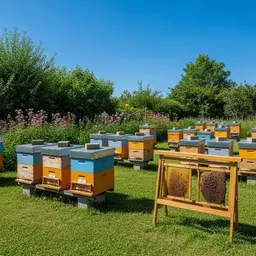
As I’ve spent countless hours observing my hives, I’ve come to appreciate just how much floral sources impact the quality of honey. The blossoms that our bees visit not only provide them with nectar but also shape the flavor profiles and aromas of the honey they produce. Each floral origin brings its unique characteristics, contributing to the delightful complexity of honey. Let’s dive into how these diverse floral sources influence the sweet treasures we enjoy! For more insights into creating the perfect environment for your bees, consider designing your first apiary layout.
When we think about honey, it's not just a simple syrup; it’s a reflection of the environment where the bees forage. From clover to lavender, the variety of flowers creates a tapestry of flavors and aromas. This is why understanding the connection between floral sources and honey quality is crucial for both beekeepers and honey enthusiasts alike!

The Role of Floral Origin in Honey Flavor Profiles
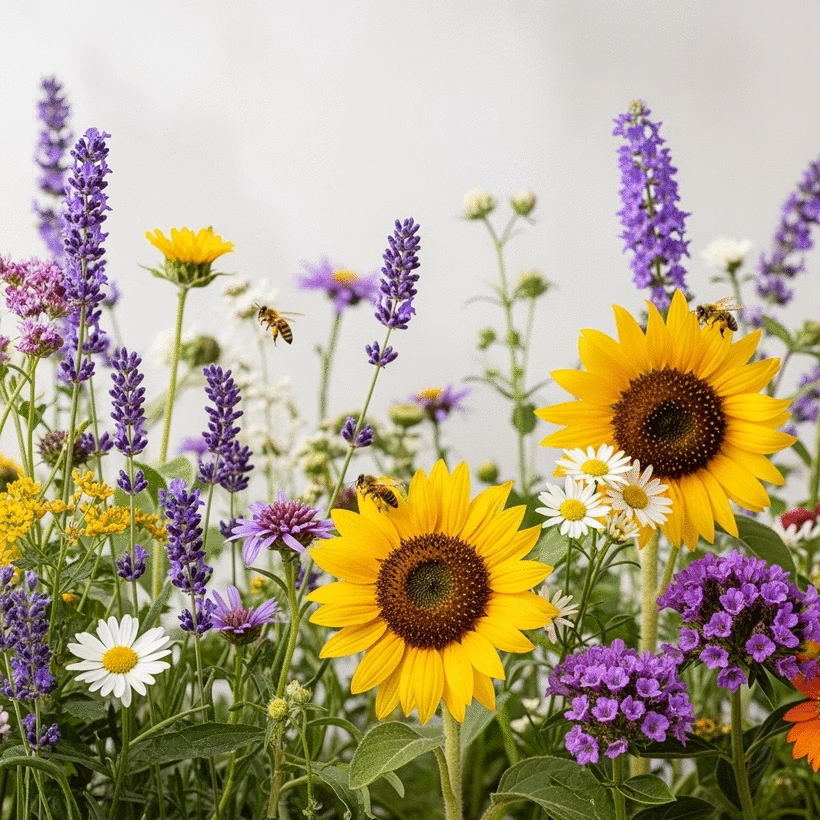
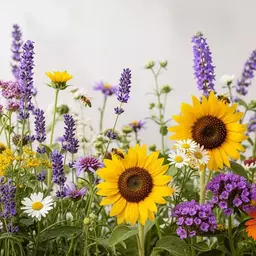
Diving deeper, we can see that the specific flowers visited by bees profoundly impact the overall taste of honey. Honey from orange blossoms may have a bright, citrusy note, while wildflower honey can offer a more robust and varied flavor experience. Here are a few key aspects of how floral origin contributes to honey's unique taste:
- Flavor Diversity: Different flowers yield different flavor compounds, resulting in a wide range of honey tastes.
- Aroma Profiles: The fragrance of honey is also influenced by the flowers, enhancing its appeal.
- Complexity: Some honeys, especially polyfloral varieties, exhibit complex flavor profiles that evolve over time.
These elements not only make honey enjoyable but can also affect our overall health! For instance, some floral sources like manuka are renowned for their medicinal properties, which further highlights the importance of knowing where your honey comes from. You can discover more about ideal plants by exploring seasonal flower guides for bees.
Comparing Monofloral and Polyfloral Honey Varieties
When it comes to honey, you’ll often hear about two main types: monofloral and polyfloral. Each variety has its own unique characteristics that can significantly affect your culinary choices!
- Monofloral Honey: This type comes from the nectar of a single flower species, like clover or manuka. It typically has a more pronounced flavor and aroma, making it perfect for specific applications.
- Polyfloral Honey: Also known as wildflower honey, this is sourced from multiple flower varieties. It offers a delightful complexity and is often sweeter, ideal for those who enjoy a more nuanced taste.
As a passionate apiarist, I always encourage folks to sample both types to discover their preferences! You might find that a specific monofloral honey enhances your tea, while a polyfloral variety could be just what you need for baking.
Key Sensory Characteristics Influenced by Floral Sources
Honey is so much more than just a sweetener; it’s a sensory experience! The floral sources that bees visit have a profound impact on the sensory characteristics of honey. Let’s examine how different types of honey showcase these attributes.
Analyzing the Sensory Profiles of Popular Honey Types
When you explore honey, it’s fascinating to note how different varieties can taste and smell. For example, consider the following popular honey types:
- Clover Honey: Light and sweet, clover honey often has a mild flavor that makes it a favorite for everyday use.
- Eucalyptus Honey: This honey tends to have a more robust flavor with herbal undertones, often used for its soothing properties.
- Manuka Honey: Known for its distinct taste and health benefits, manuka honey has a rich, earthy flavor.
By understanding these profiles, you can make more informed choices when selecting honey for your recipes or wellness routines!
The Impact of Aroma and Color on Consumer Preferences
Aroma and color play significant roles in how we perceive honey. Have you ever chosen a honey simply based on its golden hue or inviting scent? Here’s why these aspects matter:
- Aroma: The scent of honey can evoke memories and emotional responses, influencing our enjoyment and choice.
- Color: The color of honey often indicates its floral source and can suggest flavor intensity—darker honeys tend to be richer in taste.
Next time you're at a farmers market or shop, take a moment to smell the honey and consider its color! These sensory cues can enhance your selection process and deepen your appreciation for the variety of flavors out there.
Understanding Honey's Chemical Composition: The Role of Nectar and Pollen
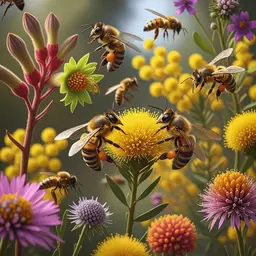
The magic of honey's flavor and quality lies in its chemical composition, primarily the nectar and pollen that bees collect. Each unique flower contributes its own blend of sugars, acids, and aromatic compounds that create the final product. Here’s how they work:
- Nectar: The sugar content and floral characteristics of nectar significantly influence honey's sweetness and flavor.
- Pollen: This is not just a food source for bees; it also adds proteins and contributes to the health benefits of honey.
Understanding these components can help you appreciate the complex nature of honey even more! As I’ve seen in my own beekeeping journey, even the smallest change in floral sources can lead to delightful variations in honey. For those just starting out, a beginner's guide to honey bees can provide a solid foundation.
We Want to Hear From You!
What floral sources have you found to influence your favorite honey flavors? Share your experiences and preferences below!
Frequently Asked Questions About Honey and Floral Sources
What is the primary factor influencing honey's flavor?
The primary factor influencing honey's flavor is the floral source from which bees collect nectar. Different flowers contribute unique chemical compounds that create distinct taste profiles.
What is the difference between monofloral and polyfloral honey?
Monofloral honey is primarily derived from the nectar of a single flower species (e.g., clover, manuka), resulting in a distinct, pronounced flavor. Polyfloral honey, also known as wildflower honey, comes from multiple flower varieties, offering a more complex and often sweeter taste.
How do aroma and color affect consumer preference for honey?
Aroma and color significantly influence consumer preferences. The scent of honey can evoke emotional responses and enhance enjoyment, while color often indicates the floral source and can suggest flavor intensity (darker honeys typically have richer tastes).
What role do nectar and pollen play in honey's chemical composition?
Nectar's sugar content and floral characteristics primarily determine honey's sweetness and flavor. Pollen contributes proteins and other beneficial compounds, adding to honey's health benefits and overall unique makeup.
Why is it important to understand the floral origin of honey?
Understanding the floral origin is crucial for several reasons: it helps in selecting honey for specific culinary uses, informs about potential health benefits (like those found in manuka honey), and deepens appreciation for the diverse environments bees forage in.
Summarizing the Impact of Floral Sources on Honey Flavor and Quality
As we’ve explored throughout this article, the floral sources that bees gather nectar and pollen from play a critical role in shaping the flavor and quality of honey. Each flower contributes unique characteristics, making honey not just a sweet treat but also a complex tapestry of flavors, aromas, and colors.
From the delicate notes of clover honey to the bold richness of manuka, understanding these floral influences can enhance our appreciation for this natural product. Honey is much more than a simple sweetener; it is a reflection of the diverse environments and floral landscapes from which it originates. Let’s take a moment to summarize some key points about how these elements intertwine:
- Floral Variety: The diversity of flowers impacts the flavor profile, aroma, and color of honey.
- Monofloral vs. Polyfloral: Honey derived from a single floral source offers a distinct, intense flavor, while polyfloral honey provides a more complex blend.
- Chemical Composition: Nectar and pollen contribute to honey’s chemical makeup, affecting both taste and health benefits.

Encouraging Mindful Honey Selection and Enjoyment
Now, I invite you to embark on your own honey journey! I encourage you to explore various honey types and their floral origins. Each jar has a story to tell, and by selecting honey mindfully, you not only enhance your culinary experiences but also support local beekeepers and sustainable practices.
Consider trying different varieties in your favorite recipes or as a natural sweetener in your beverages. You might discover that a light, floral honey elevates your tea, while a robust honey provides depth to marinades and baked goods. I’d love to hear about your experiences with different honey varieties! How have they enhanced your meals or health routines? Share your stories in the comments below, and let’s keep the conversation buzzing at Nectar Network.
Recap of Key Points
Here is a quick recap of the important points discussed in the article:
- Floral Variety: The diversity of flowers impacts the flavor profile, aroma, and color of honey.
- Monofloral vs. Polyfloral: Honey derived from a single floral source offers a distinct, intense flavor, while polyfloral honey provides a more complex blend.
- Chemical Composition: Nectar and pollen contribute to honey’s chemical makeup, affecting both taste and health benefits.
- Aroma and Color: These sensory characteristics play a significant role in consumer preferences and enjoyment.
- Mindful Selection: Exploring various honey types and their floral origins can enhance culinary experiences and support sustainable practices.